
The Rise of Computer-Based Gaming in Asia
The history of online gaming in Asia is a fascinating journey that reflects both technological advances and cultural shifts. From the early days of computer gaming, the landscape has dramatically changed, evolving into a robust industry that now encompasses mobile gaming and esports. Understanding this evolution is essential for anyone interested in the gaming sector, as it highlights the cultural significance and economic impact of gaming in the region. For those looking to dive deeper into this subject, https://rokok88.asia offers comprehensive insights into the history and development of online gaming in Asia.
Historical Context of Online Gaming
The roots of online gaming in Asia can be traced back to the late 1980s and early 1990s, coinciding with the rise of personal computers. Games like “Dungeons & Dragons” began to attract attention, laying the groundwork for a burgeoning gaming culture. The introduction of the internet in the mid-1990s revolutionized the gaming experience, allowing players to connect and compete across vast distances. Moreover, this era marked the beginning of a community-oriented gaming culture, where local players could engage with one another on a larger scale.
Pioneering Games and Their Impact on Culture
Several games became pivotal in shaping the gaming landscape during this period. Titles such as “StarCraft,” released in 1998, enjoyed immense popularity, especially in South Korea, where it established a new level of competitive gaming. StarCraft's impact transcended mere entertainment; it became a cultural phenomenon that influenced television programming and even the national identity of South Korea. The success of such games paved the way for a generation of gamers who would go on to embrace both casual and competitive gaming, creating a dedicated following that laid the groundwork for esports.
Transition from Local to Global Gaming Communities
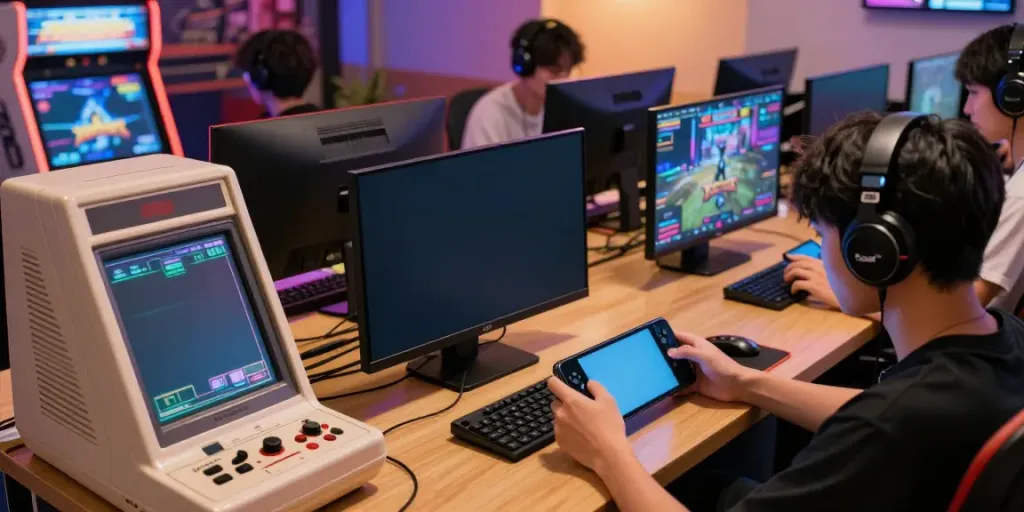
As the internet continued to evolve, so did the gaming community in Asia. Local arcades and computer cafes (warnets) became hubs for gaming enthusiasts, providing spaces for social interaction and competitive play. Players who started locally began to compete in international tournaments, further exposing the Asian gaming scene to global audiences. This transition significantly impacted game design, as developers sought to appeal to wider markets while still catering to local tastes and preferences.
The Emergence of Internet Café Culture
The rise of internet cafés, or warnets, in Asia served as a crucial catalyst for the accessibility of online gaming. These establishments quickly became focal points for gamers, fostering a sense of community among players who shared a passion for video games.
The Role of Warnets in Game Accessibility
Warnets provided affordable access to high-speed internet and powerful gaming computers, significantly lowering the entry barriers for many individuals. In countries like Indonesia and Malaysia, these cafés proliferated, allowing gamers who could not afford powerful PCs at home to experience the latest titles. This democratization of gaming access led to a surge in the gaming population, particularly among youth, who flocked to these venues to engage in multiplayer battles and explore new gaming frontiers.
Social Interaction and Cultural Exchange
Beyond just playing games, warnets facilitated social skills development and cultural exchange. Gamers from different backgrounds gathered in these cafés, often forming friendships that transcended cultural and linguistic barriers. The communal experience of playing games like “Counter-Strike” or “Dota” often became a rite of passage for many young people, contributing to their socialization and teamwork capabilities.
The Shift Towards Competitive Gaming
As warnet culture flourished, it gave rise to competitive gaming, which became a significant aspect of the gaming experience in Asia. Local tournaments began to emerge, providing players with opportunities to showcase their skills and compete for prizes. The surge in interest led to the formation of professional teams and leagues, marking the early beginnings of esports in the continent.
The Evolution of Mobile Gaming
With the advent of smartphones in the early 2000s, the gaming landscape underwent yet another transformation. Mobile gaming has since become one of the most significant segments of the gaming industry, reshaping how people interact with games.
Technological Advances Fueling Growth
Technological advancements in mobile devices, such as improved processing power and graphics capabilities, have made it possible for developers to create visually stunning and complex games. The introduction of app stores facilitated the distribution of games, allowing developers to reach a global audience quickly. Popular titles such as “Mobile Legends: Bang Bang” and “PUBG Mobile” exemplify how mobile gaming has evolved, combining accessibility with immersive experiences.
Popular Mobile Games Reshaping the Industry
Games like “Genshin Impact” and “Call of Duty: Mobile” have not only captivated players but also topped revenue charts, indicating that mobile gaming can be as lucrative as traditional gaming formats. The success of these games has encouraged developers to invest heavily in mobile game creation, resulting in a thriving market that continues to grow exponentially.
Impact on Casual Gamers vs. Hardcore Enthusiasts
The rise of mobile gaming has altered the demographic of gamers significantly. Casual gamers, who may not have time to dedicate to extensive gaming sessions, can now enjoy quick, engaging experiences on the go. However, this shift has also raised questions about the future of hardcore gaming, as traditional gaming consoles and PC games face stiff competition from the mobile sector. Developers are now tasked with finding ways to cater to both demographics, ensuring that they provide engaging experiences regardless of the platform.
The Future of Online Gaming in Asia
As we look towards 2026, the future of online gaming in Asia appears promising yet complex. Several trends are likely to shape the gaming landscape in the coming years.
Trends Shaping the Gaming Landscape for 2026
Increased focus on cloud gaming and subscription services is anticipated, allowing players to enjoy high-quality games without the need for expensive hardware. This model is positioned to democratize gaming even further, making it accessible to a broader audience.
Emerging Technologies and Player Engagement
Technological innovations such as Virtual Reality (VR) and Augmented Reality (AR) are expected to enhance the gaming experience, allowing for more immersive gameplay. These technologies are set to redefine traditional gaming by incorporating interactive and lifelike elements that further engage players.
Potential Challenges for the Industry
However, the industry may also face challenges such as regulatory scrutiny, particularly concerning data privacy and microtransactions in games. As gaming continues to evolve, balancing innovation with responsible practices will be critical to ensure a sustainable future.
FAQs about the Online Gaming Industry in Asia
What are the most influential games in Asian gaming history?
Games like “StarCraft,” “Dota 2,” and “League of Legends” have been pivotal in shaping the gaming landscape in Asia, influencing game design and community engagement.
How has mobile gaming changed the way people play?
Mobile gaming has made games more accessible, allowing players to engage in quick sessions anytime and anywhere, thus transforming gaming into a more casual pastime.
What trends should gamers watch for in 2026?
Cloud gaming, VR and AR experiences, and the rise of subscription services are all expected to dramatically influence the gaming landscape over the next few years.
How has the gaming community evolved in Asia?
The gaming community in Asia has grown significantly, with increased participation in esports and the formation of online communities that foster collaboration and competition.
What role do esports play in the future of gaming?
Esports will continue to play a crucial role in the gaming scene, acting as both a competitive platform and a medium for social interaction, while also presenting new opportunities for monetization and sponsorship.